
Archive/18 SEPT 2026
A 1996 Resident Evil PS1 copy just sold for $93,940 — retro horror collecting has entered a different universe
A recent Goldin sale shows how first-print scarcity, condition and variant details are moving 1990s horror games into serious collectible territory.
Geeks & Gods Editorial · 2 min read
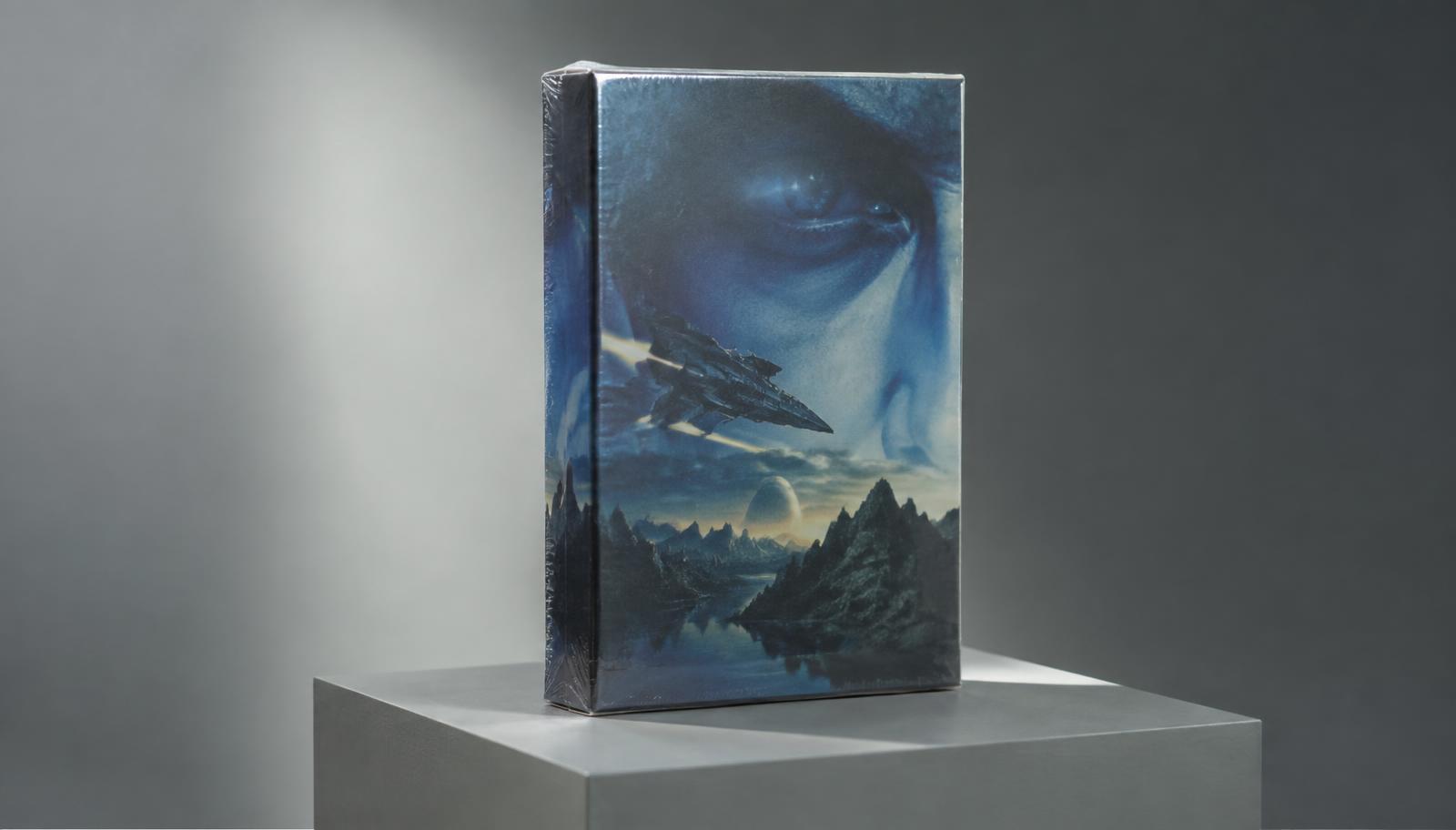
A single 1996 PlayStation copy of Resident Evil selling for $93,940 would have sounded absurd to most players who first met the Spencer Mansion through a memory card and a tube television. According to ComicBook.com, that price includes buyer’s fees from a recent Goldin summer auction, and the sale turns an early survival-horror disc into the kind of object usually discussed with language reserved for comics, cards, sneakers, and sealed toys.
The key lesson is not that every old Resident Evil copy hiding in a closet is suddenly worth a car. It is that the top end of 1990s game collecting has become brutally specific. Platform, print run, package variant, seal condition, grading, provenance, and auction context all compound into value. The disc contains a famous game, but the market is often paying for the exact surviving package as much as for the software itself.
Resident Evil is an especially clean case study because the game is both historically important and visually iconic. It helped define survival horror for a mass console audience, sold into a generation that treated PlayStation jewel cases as everyday media, and then survived as a franchise with decades of sequels, remakes, films, and toys. That cultural durability gives collectors a reason to care. Scarcity gives them a reason to compete.
But scarcity in this space is rarely simple. A common loose disc, a complete used copy, a black-label first print, a sealed example, and a high-grade sealed example are not the same market. The difference can be enormous. That is why a headline auction price should be read as a signal about the summit, not a price guide for the foothills.
For archives, the sale reinforces a practical rule: catalog the object, not just the title. “Resident Evil, PlayStation, 1996” is not enough. The condition of the case, manual, inserts, seal, stickers, rating marks, print indicators, and any provenance all matter. If 1990s games are now competing in serious collectibles spaces, vague shelf notes will not survive contact with the market.
The larger cultural shift is that the childhood media of one generation is now being sorted, graded, and priced by another. Horror games from the CD-ROM era were mass entertainment, but pristine early survivors are behaving like artifacts. Resident Evil did not need a $93,940 auction to prove its importance. The sale simply shows that the collector economy has caught up to what players already knew: some objects become historical because people used them, lost them, and failed to preserve them.